BRIGHTON, COLORADO
Emergency Water Damage Restoration in Brighton, CO
Flood, burst-pipe and sewage water damage cleanup for Brighton and Adams County homes. The first hours decide how much floor, drywall and subfloor can be saved.
Call and describe what happened. You reach a person who can tell you what to shut off before a crew arrives.
IICRC S500 methods · Answered 24 hours
Why the first few hours matter here
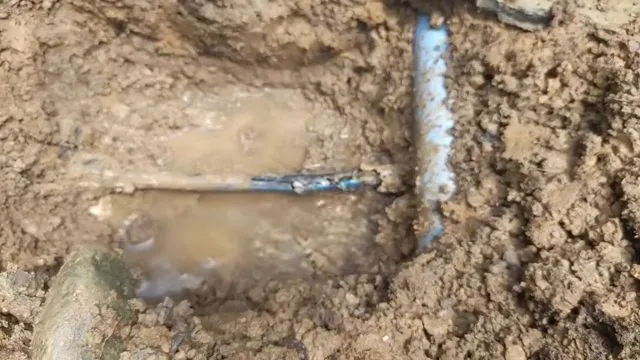
Brighton sits on the South Platte plain, and this is flood country by record. In September 2013 the South Platte crested at 18.79 feet against a 10-foot flood stage, the highest reading on record, and in 2015 the City of Brighton declared a local disaster over flooding in the Ken Mitchell Lake area. Most water damage in town is not the river, though. It is a supply line that split in a January freeze, a water heater that let go in a utility room, or a sewer line that backed up into a finished basement.
Whatever the source, water behaves the same way. It wicks into drywall, wall plates and subfloor within hours, and in a heated home the mold clock starts inside a day or two. Getting the water out and the structure drying quickly is what separates a dry-out from a gut-and-rebuild.
| Situation | Typical source in Brighton | First response |
|---|---|---|
| Clean-water leak | Burst supply line, failed water heater, appliance hose | Extract, pull baseboards, structural drying with air movers |
| Gray water | Dishwasher, washing machine, shower overflow | Extract, sanitize, dry; discard wet porous materials |
| Black water | Sewer backup, ground flooding from the river | Contain, remove contaminated material, disinfect, dry |
| Hidden moisture | Slow leak inside a wall or under a slab | Moisture mapping, controlled demolition only where wet |

Signs the water went further than you can see
- A musty smell that returns after you dry the surface
- Baseboards or drywall that feel soft or look swollen low on the wall
- Warped or cupping flooring away from the obvious wet spot
- Staining on a ceiling below an upstairs bathroom or laundry
- A spike in humidity or condensation on windows after a leak
Standing water right now?
Shut off the water if you can reach the valve safely, then call. Every hour the water sits, more of the floor and drywall has to come out.
Call (720) 736-8499Drying is a standard, not a guess
Reputable restoration follows the IICRC S500 standard for water damage, which sets how structures are assessed, dried and verified as dry with meters rather than by eye. That matters in a Brighton winter, when a house that looks dry on the surface can still hold moisture in the wall cavity behind cold exterior sheathing. We dry to a documented dry standard, not until it merely looks fine.
If the water came from a supply line rather than the ground, fixing the failure is part of the job. A freeze split usually means the pipe run needs protection or rerouting, which is where burst and broken pipe repair comes in once the space is dry.
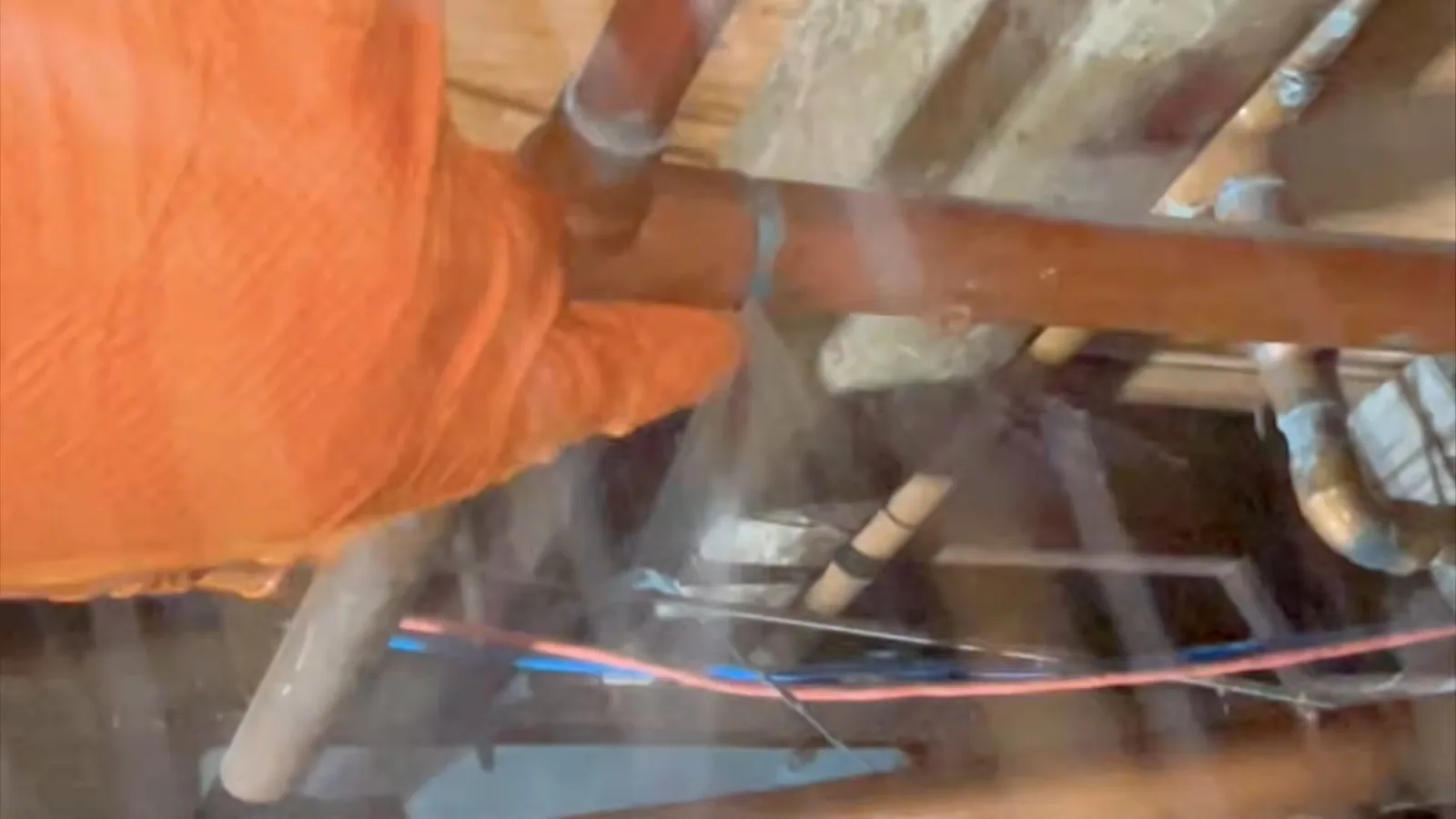
Water damage often starts as something smaller that went unnoticed. If you suspect a slow source rather than a sudden break, leak detection can find it before it soaks the structure again, and a backed-up drain that flooded a basement usually needs sewer line repair so it does not repeat. On finished basements, pairing cleanup with a working sump pump is the difference between a one-time event and an annual one.
Water damage questions from Brighton homeowners
Does my homeowners insurance cover this?
Sudden, accidental water damage from a burst pipe or a failed appliance is usually covered; gradual leaks and surface groundwater flooding often are not, and flood from the river typically needs separate flood coverage. Policies vary, so read yours or call your agent. We document the loss with moisture readings and photos, which is what an adjuster needs either way.
How long does drying take?
Most clean-water losses in a home this size dry in three to five days with proper air movers and dehumidification, longer if the water sat, reached a slab, or got behind cold exterior walls in winter. We verify with a moisture meter before pulling equipment rather than working to a fixed calendar.
Can you handle sewage backups?
Yes. A sewer backup is black-water category and is handled differently from a clean leak: contaminated porous materials come out, hard surfaces are disinfected, and the cause gets addressed so it does not happen again. If the backup traces to the main line, that becomes a sewer line repair question once the mess is contained.
Will there be mold?
Mold needs moisture and time. Extract and dry the structure quickly and you usually prevent it. If material sat wet for several days before drying began, we check the wall cavities and subfloor and remove anything already colonized rather than sealing it up.
Water where it should not be?
Describe what is happening and we will tell you what to shut off. The sooner drying starts, the less has to be torn out.